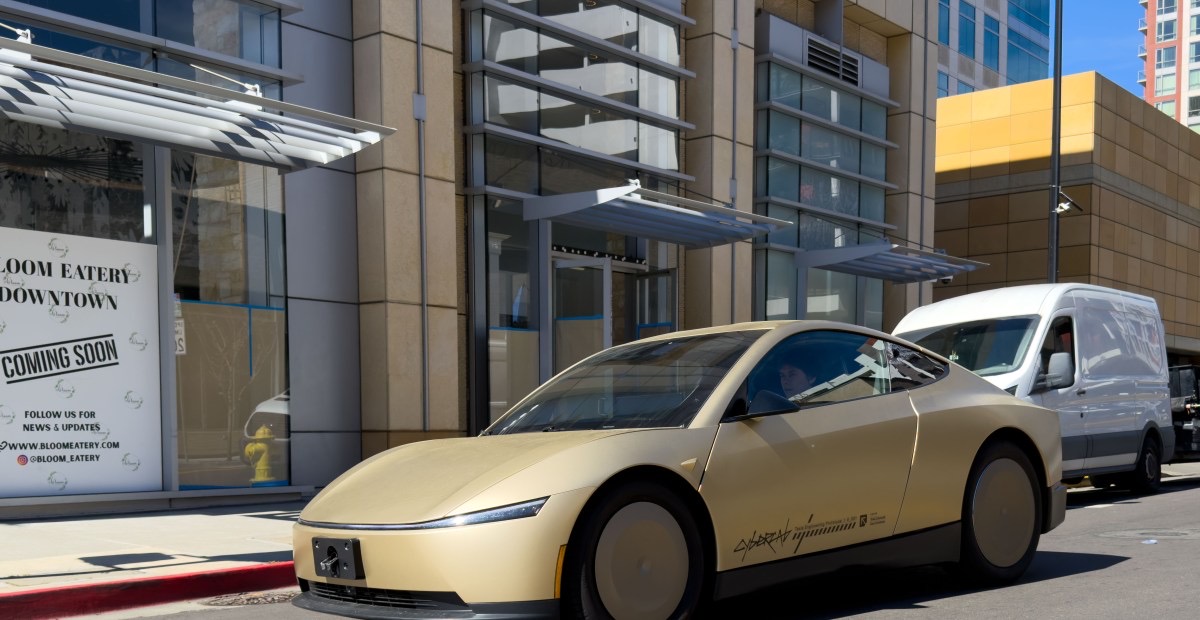
Tesla launched its Cybercab robotaxi at a closed-door event in Austin on Wednesday. There was no livestream. The invite list was mostly pro-Tesla influencers, echoing last year's robotaxi launch, and at least one invitee, Chuck Cook, said Tesla required an NDA and an embargo on posting until the event ended.
That didn't sit well with everyone in Tesla's own fan base. Pro-Tesla accounts who weren't invited grumbled on X, and Not a Tesla App accused the company of 'dropping the ball.'
Here's the thing: as of this week, Tesla has 45 Cybercabs registered with the Texas DMV, though it's unclear how many will actually carry paying passengers rather than just star in content-creator videos. The company also launched a website spelling out ride rules — kids under 13 are banned — and posted clips on the interior, crash testing, and accessibility. One accessibility video showed a wheelchair user getting up to fold and stow his own wheelchair, which is its own kind of befuddling.
With the Cybercabs added, Tesla now runs 256 unsupervised autonomous vehicles across six cities, per Robotaxi Tracker. Waymo, by contrast, runs roughly 4,000 vehicles across 14 cities. The gap is the whole story.
The hardware itself is genuinely notable: EPA filings show a single 219-horsepower motor, front-wheel drive, a 48kWh pack at 326 volts, and a curb weight of 3,113 pounds — about 700 pounds lighter than the lightest Model 3. No steering wheel, no pedals, no radar or lidar, just eight cameras.
What's missing is the price. Musk floated a $30,000 sticker two years ago at the Cybercab's 2024 unveiling. Tesla still won't say when it goes on sale to the public; instead there's a new form to inquire about 'future Robotaxi opportunities' like buying a fleet.
The roadmap has a track record here, and it isn't great. Musk said 50 percent of the US population would have robotaxi access by the end of 2025. The service is live in six cities in Texas and Florida. In 2016 he promised every Tesla built from then on would have the hardware for full self-driving; he later retracted that and still hasn't detailed the promised retrofit. Tesla faces multiple lawsuits from customers and regulators over its self-driving claims, and the $99-a-month Full Self-Driving product remains a Level 2 system requiring constant supervision, despite Musk's promise this year that 'unsupervised' FSD was coming to customer vehicles.
None of that erases the milestone. Tesla shipped a real vehicle with real hardware, and that's more than vaporware. But an NDA'd, livestream-free launch for a car with no price and no sale date is a company managing perception, not proving performance. The market — investors, riders, and the plaintiffs' bar — will do the actual grading, and it doesn't take embargoes.