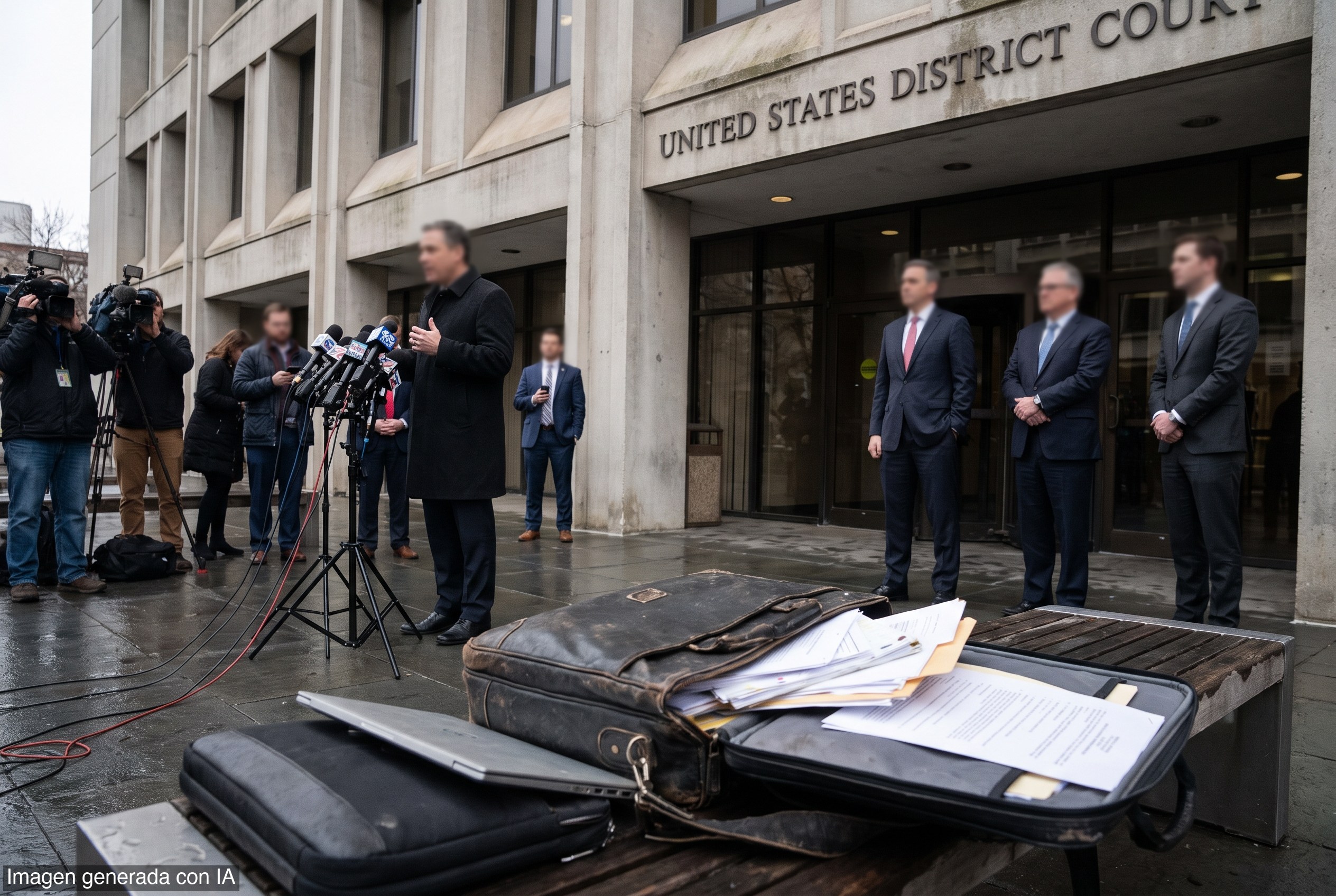
New unredacted filings in The New York Times' copyright case against Microsoft and OpenAI are putting their internal language under a bright light. In the material, a Microsoft director of Applied Science, Brent Hecht, repeatedly described AI scraping for training as 'an astonishing theft of unprecedented proportions' and even 'the largest theft of labor in human history.'
The filings also say OpenAI's ChatGPT chief, Nick Turley, warned that publishers faced an 'existential threat' from commercial products trained on news content. One Microsoft document described a 'doom loop' that would hurt 'the performance of our models and the entire web at the same time.'
The legal fight is not just about what was trained on, but what the products did after shipping. Microsoft said its Copilot 'answer engine' drove click-through rates for The New York Times domain down as much as 93% compared with traditional Bing search. The filings also say Microsoft recorded 83-93 percent drops in click-through rates for some news plaintiffs, and 51-94 percent drops for others.
That matters because the companies have argued that training on news is fair use. But the filings say internal messages and data cut against that defense. Satya Nadella testified that anything behind a paywall should be licensed for grounding or training, and said he would have required OpenAI to retrain if he had known it scraped paywalled material. Nadella also acknowledged that chatbots can substitute for news sites by giving users information on the AI platform instead of sending them to the underlying source.
OpenAI President Greg Brockman and other staff also come up in the filings. When a researcher told Brockman there was a 'hack to get around' The New York Times' paywall, Brockman replied, 'Ah, nice.' Another OpenAI engineer said 'no matter how prominently we show the links, users won't click.' Turley allegedly agreed there is 'no good reason to click' when the chatbot already provides the information.
The filings say the companies' datasets were large enough to make the copying hard to wave away. OpenAI's mid-training datasets allegedly contained more than 91,692 copies of works published by The New York Times, Daily News, and Center for Investigative Reporting. A Common Crawl-derived dataset allegedly included more than 2 million documents from nytimes.com alone.
Here's the thing: this case is no longer just about model quality or clever prompting. It is about whether the platform economy can build a commercial product on top of other people's reporting, then keep the clicks, the revenue, and the market power for itself. If the court treats substitution as fair use, the bill lands on publishers first. If it does not, the message to AI firms is simple: you do not get to call it innovation after you have driven a truck through the content supply chain.