Here's the thing. Microsoft has been shipping two Copilot apps for long enough that users had two icons sitting in their Windows taskbar, which is the kind of UX debt that accumulates when a company moves fast and names things later. That era is ending.
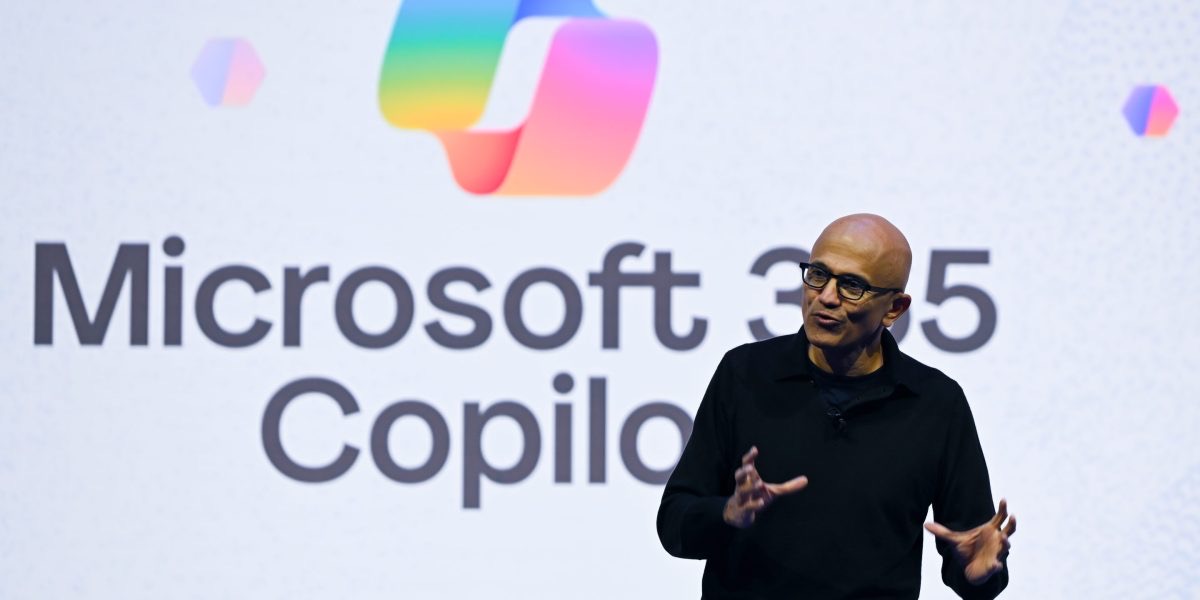
Starting this week, Microsoft is rolling out a unified experience that merges its consumer Copilot and the Microsoft 365 Copilot app into a single product, recycled under the 'Microsoft Copilot' name with an updated icon. The worldwide rollout for mobile and web apps begins in mid-August, with Windows and Mac apps following in mid-September. Some Windows Insiders are already seeing changes.
What you get depends on where you're coming from. Existing Copilot consumer users move over with their chats and content intact. Microsoft 365 Copilot users get minor navigation changes, the new icon, and access to Copilot chat. If you used both, your content merges — but chats and data stay separated by account type inside the app. Personal Microsoft accounts and work Microsoft Entra ID accounts remain distinct. Enterprise security, compliance, and government controls are unchanged.
Not everything makes the trip. Copilot Podcasts and Deep Research are retired as of August 18th. Group Chat threads, messages, and content won't carry over after that date either. Microsoft also notes that features like Shopping and Copilot Health 'may be temporarily unavailable' during the rollout.
The merge is explicitly described as a technical milestone — groundwork for the super app Microsoft plans to launch later this year. According to Fortune, that product is expected to bundle chat, GitHub Copilot coding, the Copilot Cowork tool, and an agentic workflow capability internally called Autopilot. The project is being led by Andreou, the 33-year-old executive Nadella tapped to run both consumer and commercial Copilot.
The strategic pressure is real. Nadella said in Microsoft's latest earnings call that Microsoft 365 Copilot reached over 30 million paid seats. Azure crossed $100 billion in annual revenue, with AI demand — much of it from OpenAI — driving the growth. Microsoft's own AI lab this week also released MAI-Thinking-1, its first reasoning model, which it says matches leading models on some software engineering benchmarks, and a coding model it says is 25% more efficient than its previous version.
The demo is not the product. What Microsoft is shipping today is plumbing: a unified sign-in, a color-coded account indicator, and fewer icons in the taskbar. The super app is still months away, and the features being retired — Deep Research chief among them — were exactly the kind of differentiated capabilities that gave the consumer Copilot a reason to exist on its own.
For enterprise customers, the calculus is straightforward: a single app with a clear commercial interface, no disruption to compliance controls, and a roadmap toward agentic workflows. That is a coherent pitch. For consumers, Microsoft is asking them to accept fewer features now in exchange for a better product later. That trade has a name in this industry, and it is not a compliment.